

We offer a range of illustrated talks based on natural history and exploration, often from our own travels around the world. We like to get beneath the skin of a country and look for the unusual, whether it is being confused for a mother by a baby sea lion in the Galápagos, unwittingly botanising in the red-light district of Cuba; to sitting in a muddy hot pool watching bats drinking from the same pool. Talks often look at the ethno-botany (how people have traditionally used plants) of a country with everything from the source of a natural lipstick to plants that can ward off lightning.
Talks are suitable for Garden groups, local natural history societies, U3A groups, schools etc. and it is often possible to tailor particular talks to your group (e.g. schools).
Talks typically last 60 minutes and are usually followed by a short questions and answers section. To discuss costs and arrange for a talk please use our Booking Enquiry page.
Talks Offered Include
Darwin the Botanist
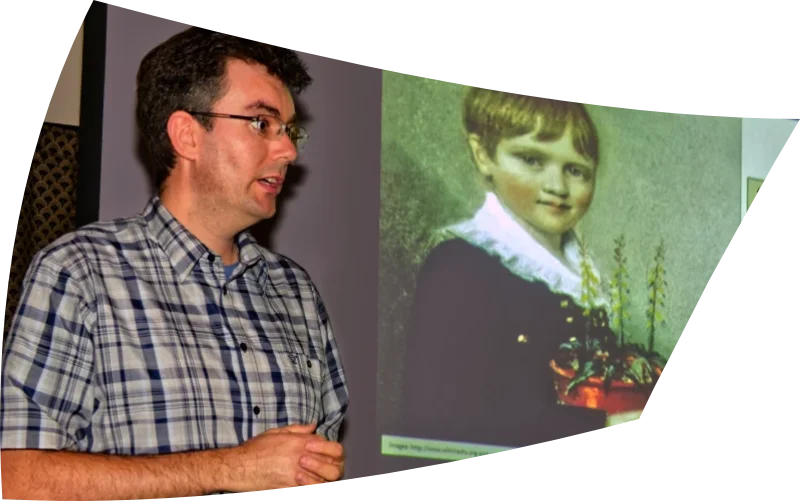
An exploration of the many botanical discoveries Darwin and his contemporaries made. Starting off in Shrewsbury and his early years with family and schoolmates; and seeing how he developed his interests in natural history. We explore some of Darwin’s lesser-known discoveries and compare them to our current understanding. Along the way we answer questions including, was Darwin an active Botanist in Shropshire? What is Batology? Why do Primroses have two kinds of flowers? How does a Bat use a Pitcher Plant?
Find out about the weird and wonderful world of plants from around the world, journeying through the tropics, arid deserts and mountainous regions. Plants form more than the green backdrop to our understanding of the world around us and this talk shows how plants use others to spread their genes, distribute their offspring and even turn the table and consume animals.
Paradise Found?
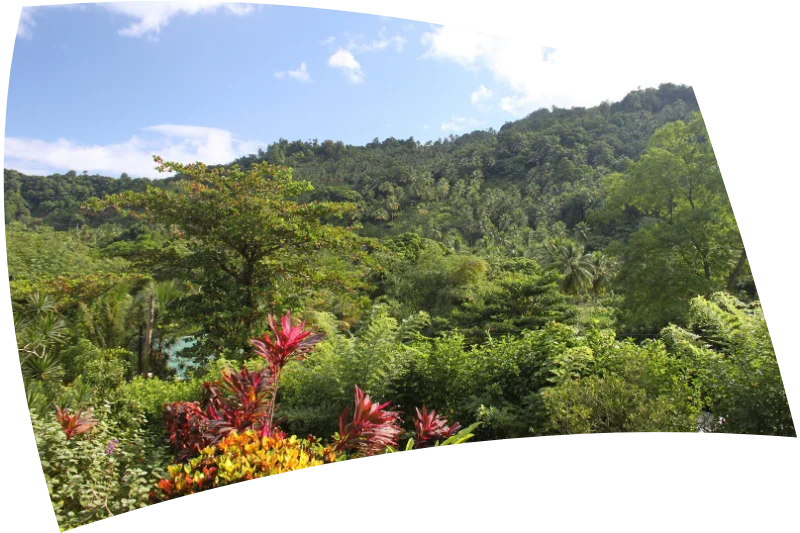
Have you never heard of Dominica? Well, that’s probably a good thing, follow us as we explore this little-known island in the Caribbean. With its lush tropical jungle full of orchids, bromeliads and other native tropical blooms; be inspired by the stunning scenery, boiling lakes and hot pools.
Learn about the creation of a valley in 7 days, sounds biblical well it almost is, at least in proportions. Hear about how plants exploit birds and other animals to pollinate them and distribute their seeds, including a look at how the indigenous and settled people of Dominica used plants in their everyday lives. Expect to be booking a seat on the next plane!
What’s in a Name?
A short romp through the science of naming the natural world. Learn when a Bluebell is not a Bluebell, and how Mountain Ash can be many different trees. Starting with the history of naming plants, we journey across time sorting order out of the chaos, until arriving in the modern era.
Through stories and quirky discoveries learn how plants (and animals) have been named and what their names mean, and why that is useful to you as a naturalist or gardener. Suitable for all interests. Oh and no it’s not all in Latin either…

Ugandan Odyssey
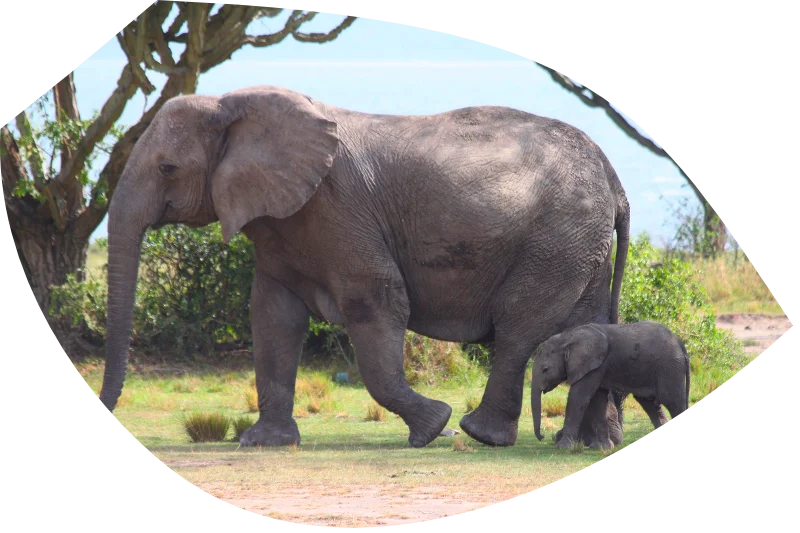
Journey with us to Uganda, a country with varied flora and fauna, ranging from dry savanna with big African game, to the wet humid jungles of the southwest. Find out about the biodiversity of the Albertine Rift, in the Bwindi Impenetrable Forest region.
As part of our travels, we worked with Omushana, a charity aiming to improve opportunities for children in the Bwindi area of SW Uganda.
The projects are based in the villages around the Bwindi Impenetrable Forest.
Mountain Flora of Central Europe
Exploring the Bavarian Alps and Slovak Carpathians
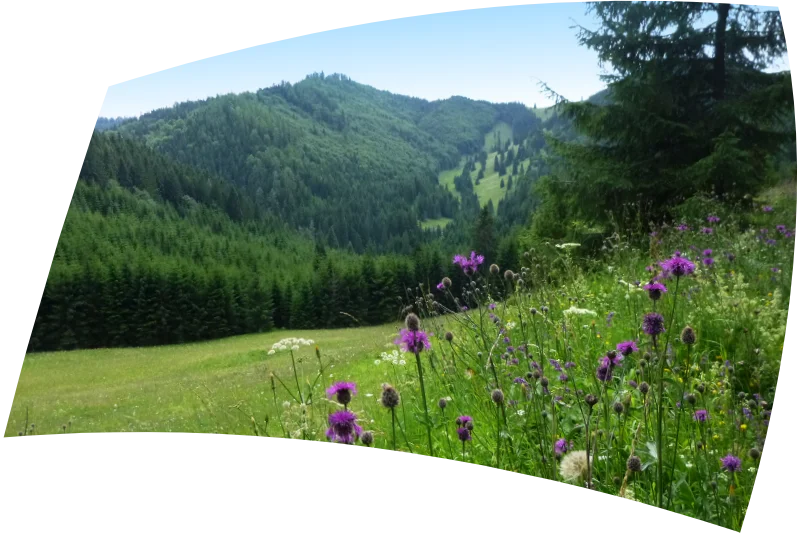
Take a walk through the Bavarian Alps of Germany and the Carpathian Mountains of Slovakia, viewing the related but often contrasting floras. Venture into the woodlands where Wild Columbine and Monkshood grow, alongside Herb Paris and Astrantia. Think coniferous woodlands are boring and hold little interest for the botanist and gardener? Think again. Woolly Burdock with their shaggy fruits, fragrant Sages, and the exotic looking semi-parasitic Cow wheats lead you out of the woodland canopy.
Clearings in the woods offer some of the most diverse meadows in Europe, with strange Clovers, dainty Dianthus, Orchids including one as black as they come and Speedwells in profusion. Deep clear lakes, shimmering blue-green, are bordered by luxurious vegetation, leading into wet meadows, with Lilies, Siberian Iris, Kingcups and Loosestrife. The short grasslands and scree slopes of these alpine pastures offer a suite of Gentians, Mountain Avens, Saxifrages, Snowbells, Toadflaxes and Mountain Pansy.
Expect a whistle-stop tour of the Alps and the Carpathians covering the lower slope up to over 2000m!